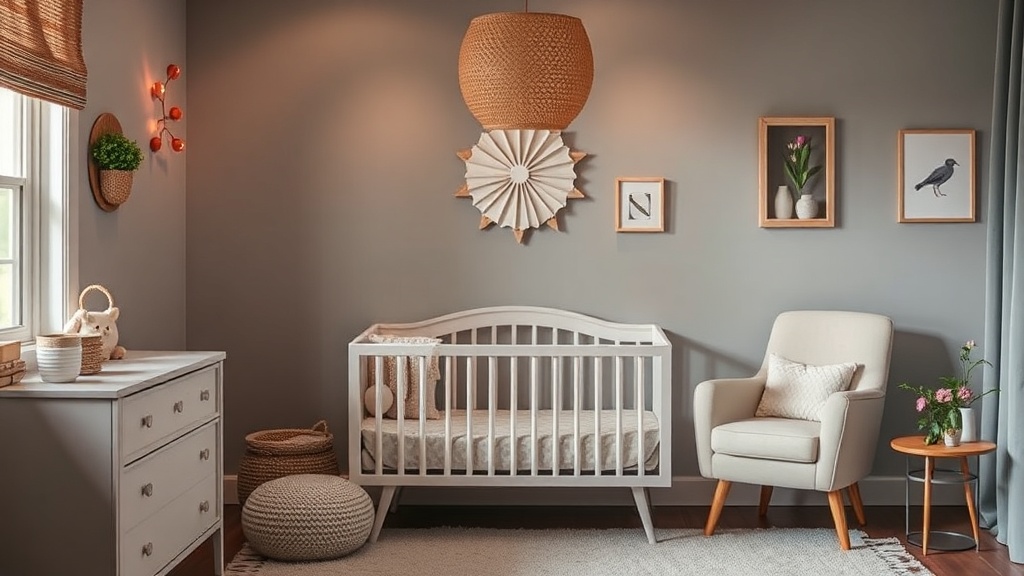
Setting Up a Budget-Friendly Nursery Without Overspending

Why you don't need a designer nursery for a happy baby
Most people think a nursery needs to look like a catalog shoot to be functional or beautiful. They believe that high-end, boutique furniture is a requirement for a safe environment. This is a mistake. A nursery is a workspace—a place where you change diapers, soothe a crying infant, and try to get a few minutes of sleep yourself. It doesn't need to be a museum piece. It needs to be safe, functional, and within your reach financially. Focusing on aesthetics over utility often leads to unnecessary debt before the baby even arrives. This post covers how to prioritize the basics, where to save, and how to avoid the trap of the "perfect" nursery.
When you start shopping, you'll likely feel a massive pressure to buy everything. The internet is full of ads for organic linen crib sheets, hand-carved wooden mobiles, and designer rocking chairs. But let's be real: your baby won't care if their crib is made of reclaimed oak or standard maple. They care about being warm, dry, and near you. By focusing on the core requirements, you can build a space that works for your family without draining your bank account. It's about being smart with your cash early on so you have a cushion for the actual costs of raising a child.
What are the must-have items for a new nursery?
Before you hit the checkout button on any website, make a list of what is actually necessary. You can't use everything at once, and much of it is temporary. For instance, a crib is a non-negotiable, but you don't need the most expensive one on the market. You need something that meets current safety standards. You can find reliable safety guidelines and lists of approved products at the American Academy of Pediatrics. This ensures you aren't just buying for looks, but for actual safety.
Here is a basic breakdown of where your money should go:
- A safe sleep space: A basic crib or bassinet that meets safety regulations.
- Changing station: A comfortable spot to change diapers—this could be a dedicated table or just a waterproof pad on a dresser.
- Comfortable seating: A chair for feeding and soothing. It doesn't have to be a high-end glider; a sturdy armchair you already own works fine.
- Storage: Bins, baskets, and shelving to keep clothes and diapers organized.
You'll notice that none of these items require a designer price tag. In fact, many parents find that a simple dresser with a changing pad on top is more practical than a specialized nursery changing table. It saves space and serves two purposes. If you are looking for more ways to manage newborn needs, checking out resources like the CDC can help you understand developmental milestones and what your child actually needs at different stages.
Can I use second-hand furniture for a newborn?
This is a big question for many new parents. The short answer is yes, but with one massive caveat: safety. You can find incredible deals on high-quality wooden furniture at thrift stores or through local community marketplaces. However, you should never buy a used crib or car seat if you can't verify its age or safety history. Many older crib models have been recalled due to safety issues. If you buy a used dresser, it's a great way to save money, but always check the manufacturer's website to see if there are any active recalls on that specific model.
When shopping second-hand, look for items that are sturdy and have no sharp edges. A used wooden chest or a sturdy bookshelf is perfectly safe to buy used. For things like clothing and toys, the second-hand market is your best friend. Babies grow out of clothes in a matter of weeks. Buying high-end organic cotton sets from a thrift shop or a local parent group is a much smarter way to manage the constant turnover of infant gear. It keeps your costs low and keeps your house from becoming a storage unit for things your child will outgrow by next month.
How do I organize a small nursery on a budget?
If you're working with a small room or a limited budget, organization is your best tool. You don't need a custom-built closet system. A few inexpensive plastic bins or even sturdy cardboard boxes can hold a surprising amount of supplies. Use vertical space. Hanging organizers for diapers and wipes can keep your changing area clear and easy to reach. If you're using a dresser for clothing, use drawer dividers to keep small socks and onesies from becoming a jumbled mess.
<One trick I've seen work well is the "one-in, one-out" rule. As the baby grows and you receive gifts or buy new items, donate or pass on the clothes that no longer fit. This prevents the nursery from becoming cluttered and overwhelming. A clean, organized space leads to a calmer mindset for you during those late-night feedings. It's not about how much stuff you have, but how easily you can find what you need when you're tired and stressed at 3:00 AM.
Ultimately, your goal is to create a space that serves your family's actual needs. Don't let the pressure of social media convince you that a nursery requires a massive investment. Focus on the essentials, shop smart, and remember that a happy baby doesn't need a designer label. You're building a home, not a showroom. Keep your eyes on the practicalities and your heart on the little person who is about to join your life.