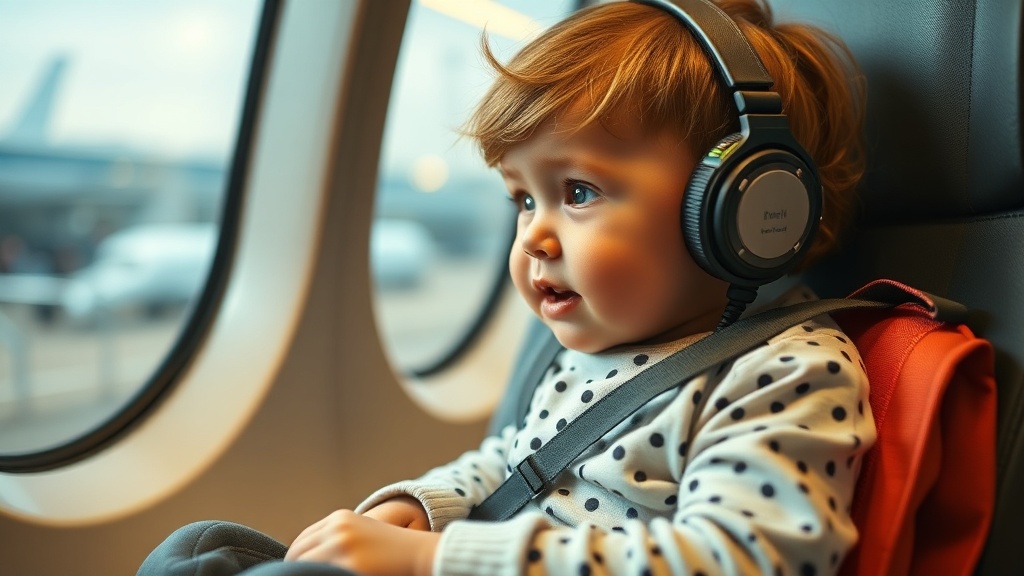
Building a Stress-Free Travel Routine for Infants

Are you staring at a mountain of diaper bags and wondering if you're actually capable of getting through an airport with a six-month-old? This guide covers how to prepare for travel with an infant by focusing on gear organization, sleep maintenance, and managing unpredictable environments. Mastering these steps helps prevent the exhaustion and anxiety that often come with moving a tiny human across time zones.
Traveling with an infant isn't just about packing more clothes; it's about creating a predictable environment in an unpredictable world. You can't control the flight delay, but you can control how prepared you are when it happens.
What Should I Pack in an Infant Travel Diaper Bag?
Your diaper bag should contain a mix of immediate necessities, backup supplies, and comfort items to handle unexpected messes or delays. The key is to have everything you might need within arm's reach so you aren't digging through a suitcase while holding a crying baby.
I've found that a dedicated, waterproof backpack works much better than a shoulder bag—you need both hands free to manage a diaper change on a tiny airplane bathroom floor. Here is a breakdown of the essentials:
- Diapering: Pack at least two diapers for every hour you expect to be away from a changing station. Include travel-sized wipes, diaper cream, and a portable changing mat.
- Feeding: If you are breastfeeding, bring a nursing cover or a quiet corner strategy. For formula feeding, the Dr. Brown's Perfect Starts bottles are a lifesaver for reducing air bubbles during bumpy rides.
- Clothing: Always pack two full changes of clothes for the baby—and one spare shirt for yourself. Trust me, spit-ups happen at the worst times.
- Comfort: A lightweight muslin swaddle, like those from Aden + Anais, can serve as a blanket, a shade for the stroller, or a nursing cover.
Don't forget the "emergency" kit. A small pouch with a single change of clothes for the baby, a small bag of trash bags, and a few extra pacifiers can save a trip from turning into a total meltdown.
How Do I Keep My Baby Sleeping on a Plane or Train?
Maintaining a sleep routine during travel requires mimicking their home environment as closely as possible through sound, light, and scent. While you can't replicate their nursery perfectly, you can use tools to dampen the chaos of a cabin.
White noise is your best friend here. The constant hum of a plane engine is actually helpful, but it can be inconsistent. Using a portable white noise machine, such as the Hatch Rest (the portable version), can provide a steady, familiar sound that helps block out loud passenger conversations or crying babies nearby.
Light management is the second piece of the puzzle. If you're traveling during the day but need them to nap, a blackout blind or a simple dark muslin cloth draped over the stroller or car seat can signal to their brain that it's time to rest. (Note: Never leave a baby unattended with a heavy blanket over their face—safety first.)
Pro-Tip: If you are flying, try to time your flight around their natural nap windows. If they are a heavy sleeper during the day, a mid-day flight is your best bet. If they are a night-only sleeper, you might find more success with an early morning departure.
It's also worth looking into the CDC guidelines regarding travel if you are heading to a region with different health standards, as a sick baby is the last thing you want to deal with in a cramped cabin.
What is the Best Way to Organize Baby Gear for Travel?
The best way to organize baby gear is to use a modular system of small, clear pouches categorized by function. This prevents the "black hole" effect where you spend ten minutes looking for a single pacifier while your baby is escalating into a full-blown cry.
I prefer using different colored pouches for different needs. For example, all feeding supplies go in one blue pouch, and all hygiene/diapering items go in a green one. This makes it easy to grab exactly what you need without dumping the whole bag out on a tray table.
| Category | Must-Have Items | Recommended Brand/Type |
|---|---|---|
| Feeding | Bottles, formula/milk, bibs, silicone spoons | Dr. Brown's or Comotomo |
| Hygiene | Wipes, diaper cream, hand sanitizer, trash bags | WaterWipes |
| Comfort | Pacifiers, favorite toy, muslin swaddle | Aden + Anais |
| Health | Thermometer, infant Tylenol, nasal aspirator | NoseFrida |
When it comes to larger items like strollers, don't overthink it. A lightweight, compact stroller like the Babyzen YOYO2 is a game-changer for airport navigation. It folds up small enough to fit in overhead bins, saving you the headache of waiting at the jet bridge for your bulky gear to be retrieved.
The catch? Most people over-pack the "just in case" items and under-pack the "actually needed" items. If you haven't used that specific teething toy in the last two weeks at home, you probably don't need it in your carry-on.
How Can I Manage Travel Anxiety and Stress?
Managing your own stress is just as important as managing the baby's, because infants are incredibly sensitive to your energy. If you're tense and frantic, they will likely pick up on that tension and react accordingly.
First, accept that things will go wrong. You will spill something. You will lose a sock. You might even have a crying fit in the middle of a terminal. It's okay. The more you expect perfection, the more frustrated you'll feel when the reality of travel hits.
Second, build in "buffer time." If you think you need two hours to get to the airport, give yourself three. That extra hour is your insurance policy against a missed train or a long line at security. It allows you to sit down, have a coffee, and settle the baby before you have to move again.
If you find yourself feeling overwhelmed by the noise or the crowds, remember that you can always step away. Most major airports and train stations have family lounges or even quiet areas. Don't be afraid to use them. Taking five minutes to breathe in a quiet corner can prevent a total breakdown—for both you and the baby.
If you've dealt with high-stress situations with older children, you might find the techniques from our post on finding calm during meltdowns useful. While infants don't have the same verbal expressions, the core principle of staying grounded remains the same.
Finally, check the Wikipedia entry on infant care or consult your pediatrician regarding specific travel restrictions for your baby's age. Every child is different, and what works for one six-month-old might not work for another.
Preparation is your greatest tool, but flexibility is your greatest asset. You've got this.
Steps
- 1
Pack a dedicated diaper bag
- 2
Stick to a predictable feeding schedule
- 3
Bring familiar comfort items